Trending...
- Steve Weclew is Appointed by STS Capital Partners as Managing Director
- Irina Ahdoot Expands Paradise Valley Buyer Guide With Luxury Market Insights
- Milestone Brands LLC Launches STASHUNARY, a Creative Digital Marketplace
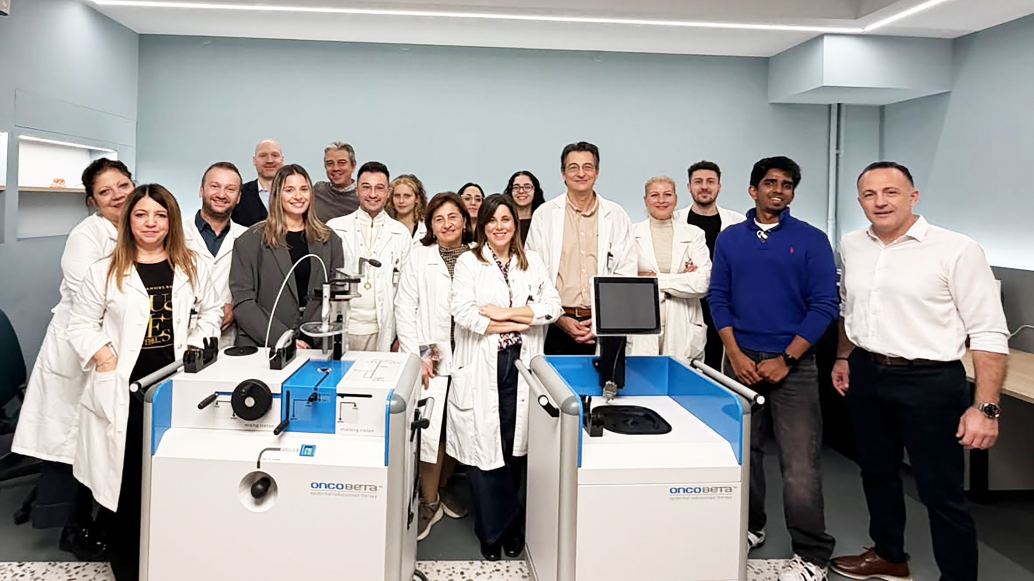
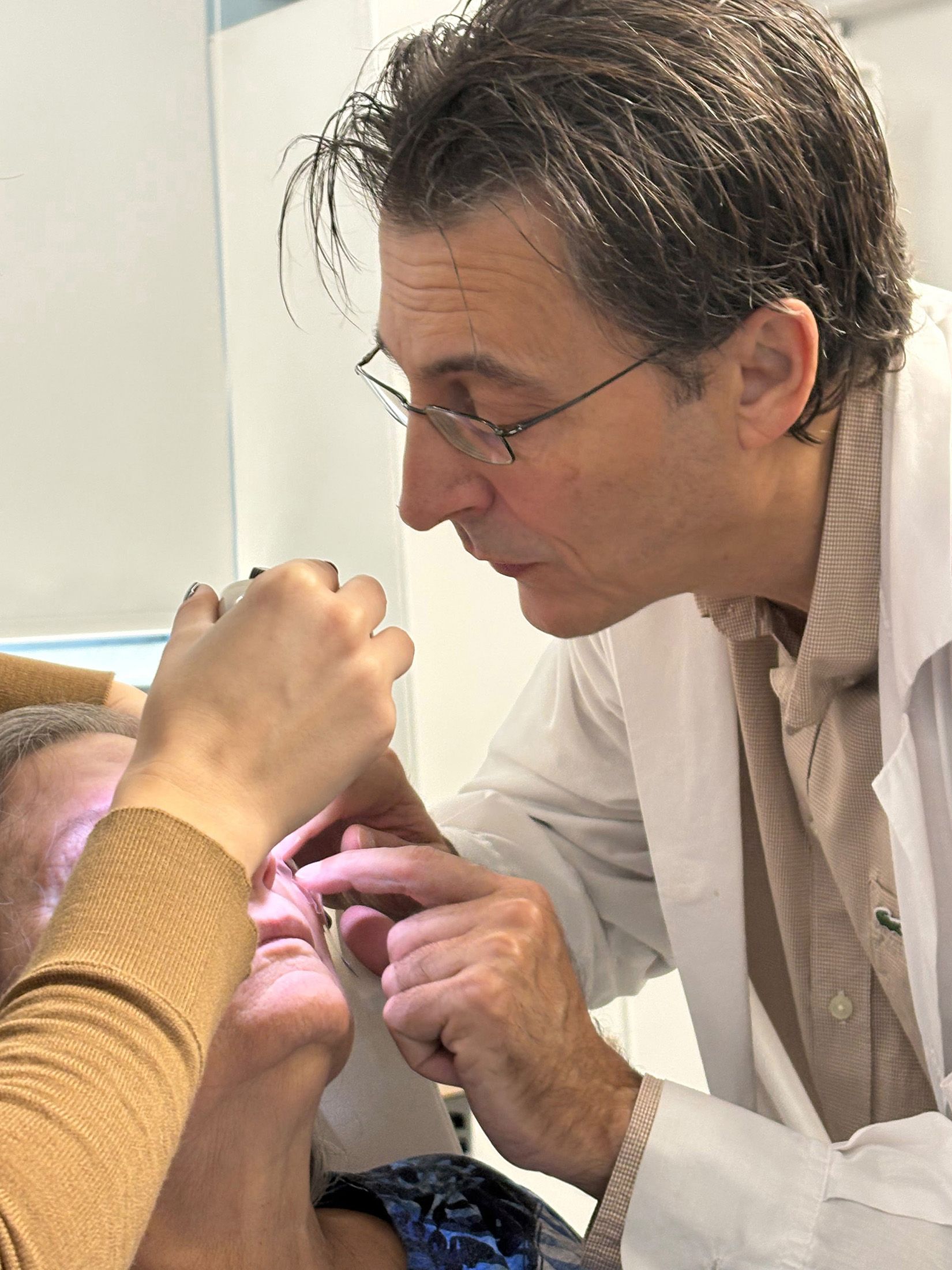
The new treatment option is being introduced through OncoBeta's partnership with Greek medical technology company, Mediray
THESSALONIKI, Greece - Arizonar -- OncoBeta®, a Germany-based medical device company specialising in cutaneous radioisotope therapy, has announced the introduction of Rhenium-SCT® (Skin Cancer Therapy) at Theageneio Anticancer Hospital of Thessaloniki, Greece.
The treatment is being offered through the Theageneio Anticancer Hospital of Thessaloniki, providing an additional treatment option for suitable patients with non-melanoma skin cancers (NMSCs), including basal cell carcinoma (BCC) and squamous cell carcinoma (SCC).
The introduction has been made possible through OncoBeta's partnership and distribution agreement with Mediray, a Greek medical technology company specialising in nuclear medicine and radiopharmaceuticals.
The addition of Theageneio Anticancer Hospital of Thessaloniki represents another step in OncoBeta's international expansion, bringing together advanced radioisotope technology, local distribution expertise and specialist clinical care.
Skin cancer awareness in Greece
With its Mediterranean climate and strong outdoor lifestyle, Greece is a country where sun exposure and skin cancer prevention remain important public health considerations.
A 2024 study published in the scientific journal Cancers,1 examining skin cancer patients and healthy individuals on the island of Crete, highlighted important differences in sun exposure and protection habits. Researchers found that participants diagnosed with skin cancer reported greater occupational and recreational sun exposure and were less likely to practise certain sun-protection behaviours than healthy participants.
The findings reinforce the importance of public awareness, early detection and access to appropriate treatment options for people affected by skin cancer.
An innovative approach to skin cancer treatment
Rhenium-SCT is a non-invasive2* radioisotope therapy that uses the radioisotope rhenium-188 to deliver targeted beta radiation to non-melanoma skin cancers.
The treatment involves the superficial application of a specially formulated paste over the affected area, with a protective barrier preventing direct contact between the paste and the patient's skin.
Unlike surgery, Rhenium-SCT does not require the invasive surgical removal of the affected tissue. While a biopsy is required to confirm the diagnosis and assess treatment suitability, the therapy itself is non-invasive and generally completed in a single session.3,4,† The treatment approach is determined by the treating physician based on the characteristics of the lesion and the patient's individual circumstances.
Specialist clinical expertise in Thessaloniki
The introduction of Rhenium-SCT at Theageneio Anticancer Hospital of Thessaloniki is supported by the expertise of Dr. Theodoros Kalathas, Head of Nuclear Medicine.
"Every patient with non-melanoma skin cancer has individual clinical needs, making access to a range of treatment options important."
More on The Arizonar
"Rhenium-SCT provides an additional non-surgical approach for suitable patients, and we are pleased to make this technology available at our hospital here in Thessaloniki," says Dr. Kalathas.
Expanding access through international partnerships
The addition of Theageneio Anticancer Hospital of Thessaloniki builds on OncoBeta's growing international network of treatment centres, including an existing location at the University General Hospital of Larissa in Greece. Rhenium-SCT is also available across several European countries, including Germany, Austria, Italy, Spain, Switzerland and the United Kingdom, as well as Australia and New Zealand.
The introduction of Rhenium-SCT highlights the importance of multidisciplinary collaboration, bringing together dermatology and nuclear medicine expertise to support accurate diagnosis, appropriate patient selection and coordinated treatment.
Professor Aimilios Lallas, Professor of Dermatology at Aristotle University of Thessaloniki, President of the International Dermoscopy Society, and Scientific Co-Ordinator of the Melanoma and Skin Cancer Center of Northern Greece, explains:
"Effective skin cancer management begins with accurate diagnosis and an understanding of each patient's individual needs. A new collaboration between dermatologists and nuclear medicine specialists allows access to an additional therapy option for the subset of skin cancer patients who may benefit from this approach."
"Rhenium-SCT provides an additional treatment option within this multidisciplinary approach, supporting more personalised management of non-melanoma skin cancer," says Prof. Lallas.
OncoBeta's collaboration with Mediray reflects its strategy of working with established local distribution partners and specialist healthcare providers to expand treatment availability. Dr. Philipp Weber of OncoBeta welcomes the collaboration:
"We are delighted to work alongside Mediray and the specialist clinical teams at Theageneio Anticancer Hospital of Thessaloniki to introduce Rhenium-SCT in Thessaloniki. Strong local partnerships and multidisciplinary expertise are essential to expanding access to innovative skin cancer treatment options internationally," says Dr. Weber.
The introduction at Theageneio Anticancer Hospital of Thessaloniki marks another step in OncoBeta's commitment to broadening access to non-surgical skin cancer treatment through international partnerships and clinical collaboration.
About the Rhenium-SCT® (Skin Cancer Therapy)
Rhenium-SCT® is a non-invasive2,* cutaneous radioisotope therapy developed for the treatment of non-melanoma skin cancers, including basal cell carcinoma and squamous cell carcinoma.5
The therapy uses the beta-emitting radioisotope rhenium-188, delivered through a specially designed application system to treat the affected skin lesion. A protective barrier prevents the radioactive compound from coming into direct contact with the patient's skin.
Rhenium-SCT offers a non-surgical treatment approach, with treatment generally performed in a single session.3,4† Suitability is determined by a qualified treating physician based on the patient's diagnosis and individual clinical circumstances.
More on The Arizonar
About OncoBeta®
OncoBeta GmbH is a privately held medical device company headquartered in Garching near Munich, Germany, specialising in the development and commercialisation of innovative radioisotope therapies. The company has focused on the development, regulatory approval and international commercialisation of Rhenium-SCT® (Skin Cancer Therapy), working with healthcare professionals and medical institutions to support the availability of non-surgical treatment options for non-melanoma skin cancer.
Find out more about the Rhenium-SCT at www.oncobeta.com
Follow us on social media:
LinkedIn: https://www.linkedin.com/company/oncobeta-gmbh/
Facebook: https://www.facebook.com/oncobeta/
Instagram: https://www.instagram.com/oncobeta_gmbh/
About Mediray
Mediray is a Greece-based medical technology company specialising in nuclear medicine, radiopharmaceuticals and related medical equipment and services. The company supplies diagnostic and therapeutic radiopharmaceuticals, supports the introduction of medical applications of ionizing radiation, and provides specialist radiation protection and quality assurance services.
Through its distribution partnership with OncoBeta, Mediray supports the availability of Rhenium-SCT in Greece.
Find out more about Mediray at www.mediray.gr
Forward-looking statements
This announcement includes forward-looking statements that involve risks, uncertainties and other factors, many of which are outside of OncoBeta's control and which could cause actual results to differ materially from the results discussed in the forward-looking statements. Forward-looking statements include statements concerning OncoBeta's plans, objectives, goals, future events, performance and/or other information that is not historical information. All such forward-looking statements are expressly qualified by these cautionary statements and any other cautionary statements which may accompany the forward-looking statements. OncoBeta undertakes no obligation to publicly update or revise forward-looking statements to reflect subsequent events or circumstances after the date made, except as required by law.
*No direct skin contact or incisions.2
†Rhenium SCT offers a single-session treatment with 95.1% CR rate (95% CI 91.5%, 97.2%) over 24 months, measured by visual modified RECIST by best overall response, and 2.3% recurrence rate by 24 months.3 [Qualifying statement: Treatment was generally well tolerated. Adverse events were mostly mild to moderate. Twelve Grade 3/4 events occurred at earlier time points, with none persisting beyond 6 months. The most common 24-month adverse events were hypopigmentation (G1/2: 58%/5%), telangiectasia (G1: 15%), alopecia (G1/2: 10.4%/0.9%) and induration (G1/2: 9.6%/0.9%). No treatment-related adverse events led to study withdrawal.]4
References:
The treatment is being offered through the Theageneio Anticancer Hospital of Thessaloniki, providing an additional treatment option for suitable patients with non-melanoma skin cancers (NMSCs), including basal cell carcinoma (BCC) and squamous cell carcinoma (SCC).
The introduction has been made possible through OncoBeta's partnership and distribution agreement with Mediray, a Greek medical technology company specialising in nuclear medicine and radiopharmaceuticals.
The addition of Theageneio Anticancer Hospital of Thessaloniki represents another step in OncoBeta's international expansion, bringing together advanced radioisotope technology, local distribution expertise and specialist clinical care.
Skin cancer awareness in Greece
With its Mediterranean climate and strong outdoor lifestyle, Greece is a country where sun exposure and skin cancer prevention remain important public health considerations.
A 2024 study published in the scientific journal Cancers,1 examining skin cancer patients and healthy individuals on the island of Crete, highlighted important differences in sun exposure and protection habits. Researchers found that participants diagnosed with skin cancer reported greater occupational and recreational sun exposure and were less likely to practise certain sun-protection behaviours than healthy participants.
The findings reinforce the importance of public awareness, early detection and access to appropriate treatment options for people affected by skin cancer.
An innovative approach to skin cancer treatment
Rhenium-SCT is a non-invasive2* radioisotope therapy that uses the radioisotope rhenium-188 to deliver targeted beta radiation to non-melanoma skin cancers.
The treatment involves the superficial application of a specially formulated paste over the affected area, with a protective barrier preventing direct contact between the paste and the patient's skin.
Unlike surgery, Rhenium-SCT does not require the invasive surgical removal of the affected tissue. While a biopsy is required to confirm the diagnosis and assess treatment suitability, the therapy itself is non-invasive and generally completed in a single session.3,4,† The treatment approach is determined by the treating physician based on the characteristics of the lesion and the patient's individual circumstances.
Specialist clinical expertise in Thessaloniki
The introduction of Rhenium-SCT at Theageneio Anticancer Hospital of Thessaloniki is supported by the expertise of Dr. Theodoros Kalathas, Head of Nuclear Medicine.
"Every patient with non-melanoma skin cancer has individual clinical needs, making access to a range of treatment options important."
More on The Arizonar
- ZenaTech (NAS DAQ: ZENA) $1 Million in New Utility Contracts- Potential $2.5 Million Follow-On Opportunity Puts Its Drone Business in the Spotlight!
- New Patient Data Show REQORSA® Activating Cellular Repair Pathways as Roche Collaboration Advances Precision Lung Cancer Strategy for Genprex, Inc
- Genuine Hospitality, LLC Selected to Operate Holiday Inn Express & Suites Jacksonville – Town Center
- Holiday Tech Warning: Bark CPO Titania Jordan Urges Parents to "Unwrap Before Wrapping"
- Shiokly Launches Online Marketplace to Help Singapore Home-Based Businesses Sell More, With First Product Listed Free
"Rhenium-SCT provides an additional non-surgical approach for suitable patients, and we are pleased to make this technology available at our hospital here in Thessaloniki," says Dr. Kalathas.
Expanding access through international partnerships
The addition of Theageneio Anticancer Hospital of Thessaloniki builds on OncoBeta's growing international network of treatment centres, including an existing location at the University General Hospital of Larissa in Greece. Rhenium-SCT is also available across several European countries, including Germany, Austria, Italy, Spain, Switzerland and the United Kingdom, as well as Australia and New Zealand.
The introduction of Rhenium-SCT highlights the importance of multidisciplinary collaboration, bringing together dermatology and nuclear medicine expertise to support accurate diagnosis, appropriate patient selection and coordinated treatment.
Professor Aimilios Lallas, Professor of Dermatology at Aristotle University of Thessaloniki, President of the International Dermoscopy Society, and Scientific Co-Ordinator of the Melanoma and Skin Cancer Center of Northern Greece, explains:
"Effective skin cancer management begins with accurate diagnosis and an understanding of each patient's individual needs. A new collaboration between dermatologists and nuclear medicine specialists allows access to an additional therapy option for the subset of skin cancer patients who may benefit from this approach."
"Rhenium-SCT provides an additional treatment option within this multidisciplinary approach, supporting more personalised management of non-melanoma skin cancer," says Prof. Lallas.
OncoBeta's collaboration with Mediray reflects its strategy of working with established local distribution partners and specialist healthcare providers to expand treatment availability. Dr. Philipp Weber of OncoBeta welcomes the collaboration:
"We are delighted to work alongside Mediray and the specialist clinical teams at Theageneio Anticancer Hospital of Thessaloniki to introduce Rhenium-SCT in Thessaloniki. Strong local partnerships and multidisciplinary expertise are essential to expanding access to innovative skin cancer treatment options internationally," says Dr. Weber.
The introduction at Theageneio Anticancer Hospital of Thessaloniki marks another step in OncoBeta's commitment to broadening access to non-surgical skin cancer treatment through international partnerships and clinical collaboration.
About the Rhenium-SCT® (Skin Cancer Therapy)
Rhenium-SCT® is a non-invasive2,* cutaneous radioisotope therapy developed for the treatment of non-melanoma skin cancers, including basal cell carcinoma and squamous cell carcinoma.5
The therapy uses the beta-emitting radioisotope rhenium-188, delivered through a specially designed application system to treat the affected skin lesion. A protective barrier prevents the radioactive compound from coming into direct contact with the patient's skin.
Rhenium-SCT offers a non-surgical treatment approach, with treatment generally performed in a single session.3,4† Suitability is determined by a qualified treating physician based on the patient's diagnosis and individual clinical circumstances.
More on The Arizonar
- Freight Broker 911 and Milton Collier Introduce "What's The 911?"—A New Podcast Built on Real Talk, Real Freight, and Real Opportunity
- PropAccount.com Launches PropWallet, Turning Prop Firm Payouts Into Repeat Sales
- Mesa Honors Veterans with Parade Nov. 11
- KOLBUS America, For All Of Your Hycorr Equipment And Service Needs
- Arizona Technology Council and Arizona Commerce Authority Announce Winners and Finalists for GCOI 2026
About OncoBeta®
OncoBeta GmbH is a privately held medical device company headquartered in Garching near Munich, Germany, specialising in the development and commercialisation of innovative radioisotope therapies. The company has focused on the development, regulatory approval and international commercialisation of Rhenium-SCT® (Skin Cancer Therapy), working with healthcare professionals and medical institutions to support the availability of non-surgical treatment options for non-melanoma skin cancer.
Find out more about the Rhenium-SCT at www.oncobeta.com
Follow us on social media:
LinkedIn: https://www.linkedin.com/company/oncobeta-gmbh/
Facebook: https://www.facebook.com/oncobeta/
Instagram: https://www.instagram.com/oncobeta_gmbh/
About Mediray
Mediray is a Greece-based medical technology company specialising in nuclear medicine, radiopharmaceuticals and related medical equipment and services. The company supplies diagnostic and therapeutic radiopharmaceuticals, supports the introduction of medical applications of ionizing radiation, and provides specialist radiation protection and quality assurance services.
Through its distribution partnership with OncoBeta, Mediray supports the availability of Rhenium-SCT in Greece.
Find out more about Mediray at www.mediray.gr
Forward-looking statements
This announcement includes forward-looking statements that involve risks, uncertainties and other factors, many of which are outside of OncoBeta's control and which could cause actual results to differ materially from the results discussed in the forward-looking statements. Forward-looking statements include statements concerning OncoBeta's plans, objectives, goals, future events, performance and/or other information that is not historical information. All such forward-looking statements are expressly qualified by these cautionary statements and any other cautionary statements which may accompany the forward-looking statements. OncoBeta undertakes no obligation to publicly update or revise forward-looking statements to reflect subsequent events or circumstances after the date made, except as required by law.
*No direct skin contact or incisions.2
†Rhenium SCT offers a single-session treatment with 95.1% CR rate (95% CI 91.5%, 97.2%) over 24 months, measured by visual modified RECIST by best overall response, and 2.3% recurrence rate by 24 months.3 [Qualifying statement: Treatment was generally well tolerated. Adverse events were mostly mild to moderate. Twelve Grade 3/4 events occurred at earlier time points, with none persisting beyond 6 months. The most common 24-month adverse events were hypopigmentation (G1/2: 58%/5%), telangiectasia (G1: 15%), alopecia (G1/2: 10.4%/0.9%) and induration (G1/2: 9.6%/0.9%). No treatment-related adverse events led to study withdrawal.]4
References:
- Skin Cancer Knowledge, Sun Exposure, Photoprotection Behavior, and Perceived Barriers Associated with Skin Cancer Types in a Greek Cohort: A Cross-Sectional Study on the Island of Crete. Cancers. 2024;16(24):4226. https://doi.org/10.3390/cancers16244226.
- Castellucci P, et al. Eur J Nucl Med Mol Imaging. 2021;48(5):1511–1521.
- Baxi S, et al. J Nucl Med. 2024;00:1–6. DOI: 10.2967/jnumed.124.267988.
- Baxi S. et al. 2026 EANMI, doi:10.1016/j.eanmi.2026.100311.
- Cardaci G, et al. Adv Radiat Oncol. 2025;10(7):101802.
Source: OncoBeta
0 Comments
Latest on The Arizonar
- Inaugural OC Tech Week Draws 3,000 From 12 Countries, Sends Finalist to $1M Startup World Cup
- Award-Winning American Hotelier Opens Art-Filled Luxury Cottage in Norfolk, England
- K2 Global / Ozi Amanat Named Among Top 100 AI Venture Capitalists in 2026
- Arizona: Governor Katie Hobbs Declares Statewide State of Emergency
- Dr. Latorial Faison Appointed Poet Laureate of Virginia
- AdLeverage Brings Golf Simulator Contest and Home Services Marketing Expertise to Service World Expo 2026
- Cleveland Factory Worker Seeks Funding for AI-Readable Archive Exploring Advanced AI Restraint and Human Survival
- Mesa: Tickets on Sale for Winter Wonderland Ice Rink and Breakfast with Santa at Merry Main Street
- TradeJARnal Launches Innovative Trading Journal to Help Stock and Options Traders Build Discipline and Smarter Trading Habits
- Pursant Founder Mark Herbick Joins STS Capital Partners as CEO
- IT Wes Launches Managed IT for Tucson Small Offices, Starting at $75 per Computer
- Tampa Holiday Sessions: Captured by Mallary Opens 2026 Christmas Minis With Two New Sets
- Tampa Web Design Launches New Website for Entrepreneur and Capital Markets Advisor Martin Sumichrast
- City to Celebrate Opening of Fire Station 224 Nov. 7 in Southeast Mesa
- City of Mesa Awards $40,000 in Grants through the Mesa Youth Climate Action Fund
- Mesa: Grand Opening for Phase 2 of Signal Butte Park
- Miami Dade College and World Affairs Council of Miami announce Navarro-Cabrera scholarship
- Valley Dental Care Explains Dental Implant Options for Chandler Patients
- Chad Angle Receives 2026 Global Recognition Award for Leadership
- RPP to host first Professional Padel Week in Miami and announce the 2026 USA Awards winners